

England Nhs
Add a review FollowOverview
-
Founded Date June 27, 1961
-
Sectors Pre-School
-
Posted Jobs 0
-
Viewed 548
Company Description
NHS: Belonging in White Corridors
In the sterile corridors of Birmingham Women’s and Children’s NHS Foundation Trust, a young man named James Stokes moves with quiet purpose. His oxford shoes barely make a sound as he exchanges pleasantries with colleagues—some by name, others with the familiar currency of a “good morning.”

James displays his credentials not merely as a security requirement but as a testament of belonging. It hangs against a neatly presented outfit that gives no indication of the challenging road that preceded his arrival.
What sets apart James from many of his colleagues is not immediately apparent. His presence reveals nothing of the fact that he was among the first beneficiaries of the NHS Universal Family Programme—an undertaking crafted intentionally for young people who have been through the care system.
“The Programme embraced me when I needed it most,” James says, his voice steady but tinged with emotion. His statement captures the core of a programme that strives to transform how the massive healthcare system perceives care leavers—those vulnerable young people aged 16-25 who have transitioned from the care system.
The statistics paint a stark picture. Care leavers often face higher rates of mental health issues, economic uncertainty, housing precarity, and diminished educational achievements compared to their age-mates. Behind these impersonal figures are individual journeys of young people who have traversed a system that, despite best intentions, frequently fails in providing the nurturing environment that forms most young lives.
The NHS Universal Family Programme, launched in January 2023 following NHS England’s pledge to the Care Leaver Covenant, embodies a profound shift in institutional thinking. At its core, it accepts that the complete state and civil society should function as a “collective parent” for those who have missed out on the stability of a traditional family setting.
A select group of healthcare regions across England have blazed the trail, establishing structures that rethink how the NHS—one of Europe’s largest employers—can extend opportunities to care leavers.
The Programme is meticulous in its methodology, beginning with comprehensive audits of existing practices, forming oversight mechanisms, and garnering leadership support. It acknowledges that meaningful participation requires more than good intentions—it demands tangible actions.
In NHS Birmingham and Solihull ICB, where James began his journey, they’ve established a consistent support system with representatives who can offer assistance and counsel on wellbeing, HR matters, recruitment, and equality, diversity, and inclusion.
The standard NHS recruitment process—formal and possibly overwhelming—has been carefully modified. Job advertisements now emphasize character attributes rather than numerous requirements. Application procedures have been reconsidered to accommodate the specific obstacles care leavers might face—from lacking professional references to struggling with internet access.
Possibly most crucially, the Programme recognizes that entering the workforce can create specific difficulties for care leavers who may be navigating autonomy without the backup of parental assistance. Concerns like travel expenses, proper ID, and banking arrangements—considered standard by many—can become significant barriers.
The brilliance of the Programme lies in its thorough planning—from clarifying salary details to providing transportation assistance until that critical first payday. Even ostensibly trivial elements like break times and workplace conduct are carefully explained.
For James, whose professional path has “transformed” his life, the Programme delivered more than work. It gave him a feeling of connection—that intangible quality that emerges when someone is appreciated not despite their background but because their distinct perspective enriches the workplace.
“Working for the NHS isn’t just about doctors and nurses,” James comments, his expression revealing the quiet pride of someone who has discovered belonging. “It’s about a collective of different jobs and roles, a family of people who truly matter.”
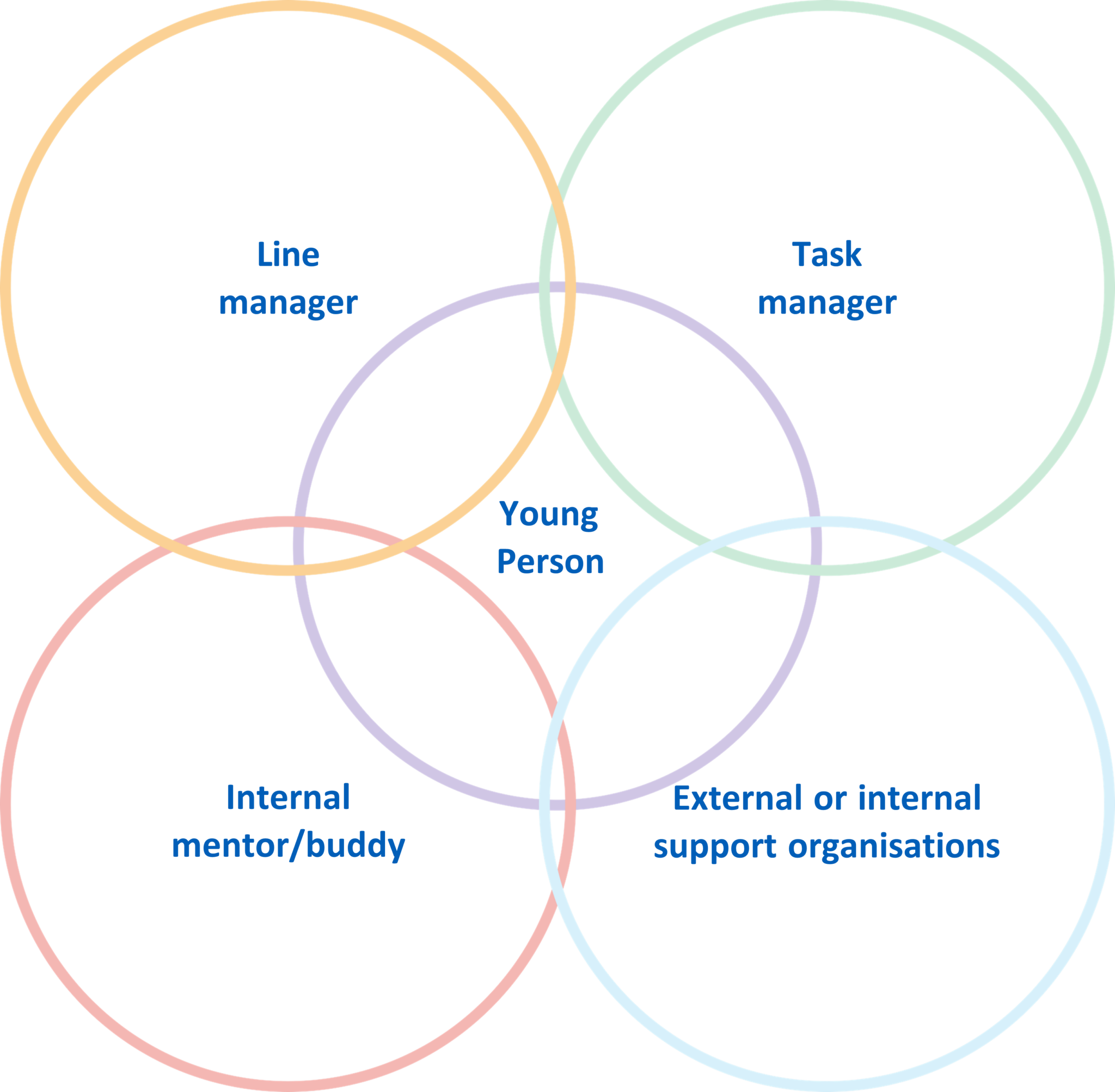
The NHS Universal Family Programme exemplifies more than an employment initiative. It exists as a bold declaration that institutions can adapt to embrace those who have navigated different paths. In doing so, they not only change personal trajectories but improve their services through the distinct viewpoints that care leavers provide.
As James moves through the hospital, his involvement silently testifies that with the right support, care leavers can succeed in environments once deemed unattainable. The support that the NHS has extended through this Programme symbolizes not charity but acknowledgment of hidden abilities and the essential fact that each individual warrants a support system that believes in them.